Understanding the Tempe context and defining the project
Why Tempe matters in kitchen renovations
Tempe is a city with warm weather, diverse housing stock, and a growing mix of older homes and new builds. When you plan a kitchen renovation here, you are balancing indoor phxhomeremodeling.com comfort with energy efficiency, urban access to services, and constraints that come with aging houses. The climate shapes appliance choices, lighting strategies, and material durability. If you live near the university or in a neighborhood with mature trees, you may place a premium on glare reduction, shade, and outdoor transitions. This local flavor matters more than any glossy brochure because a kitchen is not just a room; it is the hub of daily life.
Setting clear goals before a single hammer swing
Begin with big questions and then move to details. Do you want a galley that feels larger, a social kitchen that invites guests, or a high-efficiency space that minimizes utility bills? How many people cook at the same time, and what kinds of meals do you typically prepare? Are you aiming for a period look that nods to Tempe’s historic neighborhoods, or a clean contemporary line that plays well with modern tech? The more precise your answers, the quicker you will narrow choices on layout, cabinetry, and appliances.
The value of a pre-construction plan
A robust pre-construction plan reduces surprises once construction starts. It helps protect your schedule, budget, and sanity. With a clear path from design to procurement to construction, you can make decisions with confidence instead of reacting to hidden conditions or urgent requests. The aim is to lock in feasibility, material selections, and a 3D design before any wall is moved or cabinet box is ordered.
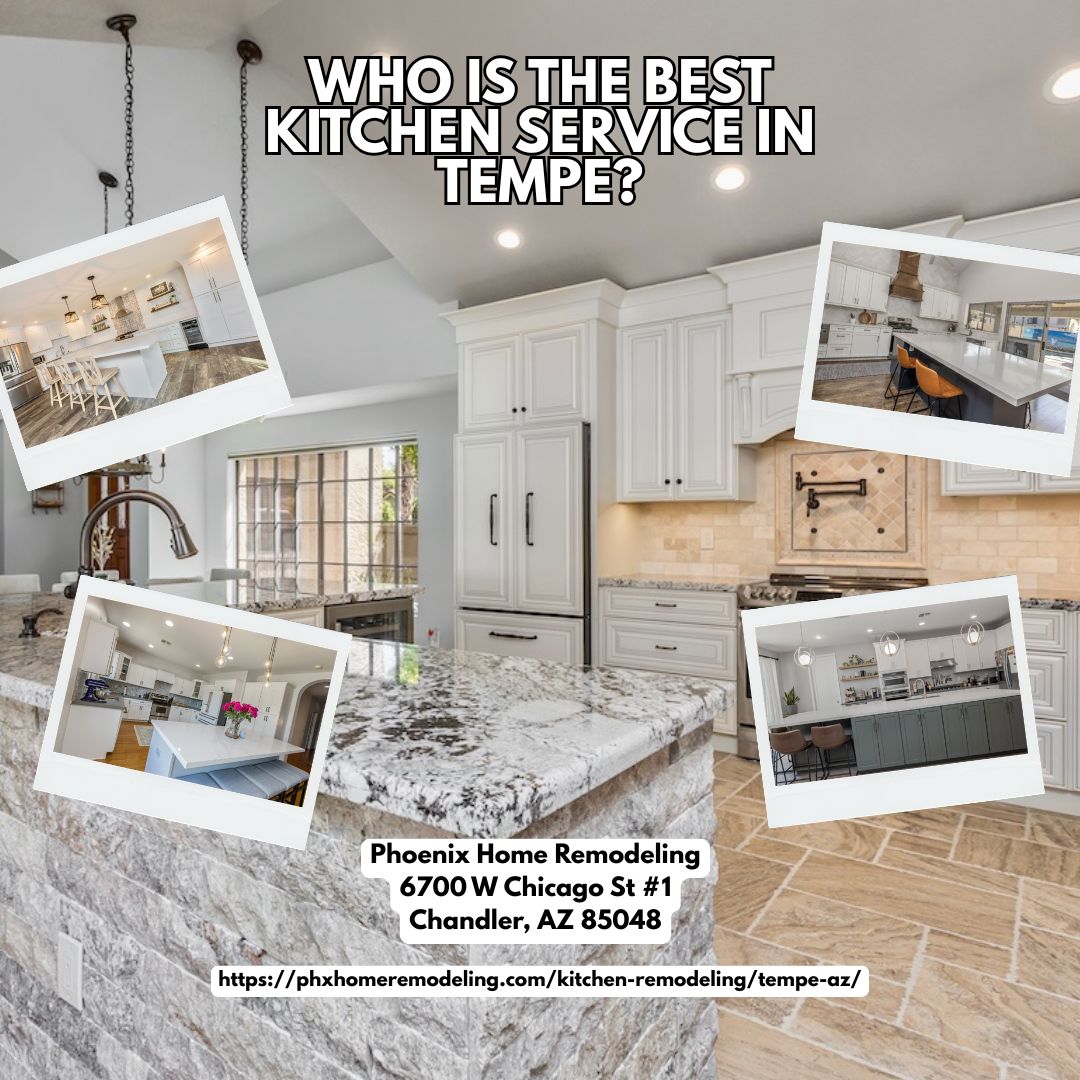
Phoenix Home Remodeling is a Phoenix-based design-build remodeling company specializing in whole home, kitchen, bathroom, shower, and interior renovations. This kind of planning helps align expectations across design and build teams and minimizes backtracking on critical decisions.
What you will walk away with
By the end of the pre-construction phase you should have: a validated scope of work, a solid budget with contingencies, a documented schedule, and a clear design path that covers fixtures, finishes, and cabinet layouts. You should also understand what permits are required by the city of Tempe and how the county handles inspections. A good plan creates a shared roadmap that all stakeholders can refer to.
Setting a realistic budget and schedule
Budgeting basics for Tempe renovations
A practical kitchen renovation budget in Tempe depends on the room’s size, current conditions, and the finish level you want. Typical ranges will include site work, demolition, cabinetry, countertops, appliances, plumbing fixtures, electrical upgrades, lighting, and flooring. It is common to allocate a contingency of 10 to 20 percent for unknowns like hidden plumbing or foundation quirks. If you have an older home, expect more checks on structural integrity and retrofit needs. A conservative approach helps you avoid scope creep and keeps the project from stalling as issues arise.
Sequencing work to minimize disruption
Coordinate trades so that work flows in a logical sequence. Often the sequence starts with demolition and structural checks, then rough mechanicals, electrical, and plumbing, followed by insulation and drywall, with finishes last. In a kitchen, timing is critical because cabinetry and countertops typically have longer lead times. Building a schedule that accommodates delivery windows, cabinet fabrication, and tile setting is essential. A well-planned sequence reduces trips in and out of the space and minimizes dust and debris in adjacent rooms.
The cost of changes midstream
Changes during construction are expensive and time consuming. If you can lock in decisions on cabinets, appliances, and surfaces before fabrication begins, you lower the risk of budget overruns. Consider creating a change log and assigning a decision window for each item. The more you document up front, the less friction you will encounter when changes are needed.
Two lists that help with budgeting
- Items that should be fixed before demolition: permits, electrical plan, plumbing layout, cabinet measurements, and appliance specifications. Items to be flexible on: countertop edge details, tile patterns, and minor cabinet hardware selections that can be accommodated within the existing budget.
When a planning-first approach pays off
A planning-first approach helps you avoid last minute substitutions that affect both cost and schedule. It also gives you a tangible feel for the final result through 3D renders or physical samples, which reduces the risk of buyer’s remorse after the project begins.
Assessing site conditions and permitting in Tempe
An honest look at your current kitchen
Assessing the existing space means measuring walls, ceiling heights, and doorway widths. Look for hidden issues such as water damage, mold signs, or uneven flooring. In Tempe homes, you may encounter old plumbing stacks or redundant venting that requires updates. Document any abnormalities so your design can accommodate them without surprises.
Zoning, codes, and permits in Tempe
Tempe city codes govern electrical, plumbing, fire safety, and energy efficiency standards. Depending on the scope, you may need mechanical permits, building permits, and inspections at various stages. A wise approach is to map out permit turnaround times early in the project and coordinate them with material lead times. This helps you avoid a situation where cabinets arrive but cannot be installed because permitting is not complete.
Structural considerations that shape the kitchen
If you are planning a wall removal or a layout change, you need to understand load paths and potential impacts on the ceiling, floors, or adjacent rooms. In some Tempe homes, removing a non load bearing wall is straightforward, but you still need to check for any electrical or data lines that run through the wall. Acknowledging these constraints early can prevent costly rework later.
Practical example: upgrading an old kitchen in a mid-century home
A homeowner wanted an open layout while preserving a trafficked corridor. By conducting a careful assessment of the supporting studs and existing wiring, the team was able to reconfigure the space with a continuous run of upper cabinets above a peninsula. The project avoided downdrafts and preserved a key architectural feature while delivering a modern, functional kitchen.
Selecting materials, finishes, and appliances
Cabinets and countertops that stand up to Tempe life
Durability matters in Tempe’s heat and sunlight. Choose cabinets with doors that resist warping and finishes that tolerate humidity swings. For countertops, consider heat resistant materials that are easy to maintain. A common approach is to pair a light, reflective countertop with a medium tone cabinet to balance glare and warmth in the room.
Lighting and electrical planning
Layered lighting is essential for a kitchen that can transform from a morning coffee nook to a dinner party space. Incorporate task lighting over work zones, ambient lighting to set mood, and accent lighting for architectural features. Ensure electrical outlets are conveniently located near the island, the fridge, and under-cabinet zones. In Tempe, you may also want to consider switched outlets for countertop power in high traffic areas.
Appliances that integrate with the design
Appliance selection should align with both function and style. Consider energy ratings, compressor noise levels, and the proximity to water and heat sources. If you plan to perform a lot of wine storage or beverage preparation, you might want to allocate space for a dedicated area within the kitchen or adjacent butler’s pantry.
Surfaces and finishes that age well
Flooring should tolerate foot traffic, moisture, and sun exposure. A balanced approach is to choose a durable tile or resilient vinyl with a wood look, paired with a backsplash that complements the cabinetry. For finishes, consider long term maintenance and the ease of cleaning. A practical choice is to pair matte cabinetry with a glossy countertop to create a subtle contrast.
Two small but often overlooked lists
- Cabinet door styles to consider: shaker, flat panel, raised panel, or full overlay. Evaluate maintenance, wear patterns, and the way each style harmonizes with your overall design theme. Countertop materials to compare: quartz, granite, solid surface, and concrete. Look at maintenance, stain resistance, and heat tolerance to guide your decision.
Designing the kitchen layout for daily life
Layout options that fit Tempe homes
Popular layouts include L shaped, U shaped, and an island configuration. If you have a smaller footprint, a peninsula can create a social boundary while preserving openness. In larger spaces, an island becomes a natural focal point for cooking, gathering, and casual dining. The key is to maintain a functional work triangle that reduces steps between the sink, stove, and refrigerator.
Traffic patterns and accessibility
Consider how people move through the room, especially if you have children, elderly family members, or frequent guests. Wide walkways are essential, as is sufficient clearance around the island or peninsula. If you plan to host gatherings, ensure there is a clear path from the kitchen to adjacent living areas or outdoor spaces.

Storage strategies that pay off
Think about vertical storage, pull out drawers, and corner solutions that use space efficiently. A well designed kitchen remodeling for accessibility Tempe pantry near the kitchen can significantly reduce clutter on countertops. If you have an oversized collection of cookware, consider a dedicated zone for pots, pans, and lids with convenient access.
Practical example: a small urban kitchen reimagined
A Tempe condo owner wanted a brighter, more efficient space. By moving the refrigerator to a perpendicular wall and installing a shallow depth base cabinet, the team gained enough clearance to accommodate a full-size range and a generous island. The result was a kitchen that felt larger and more functional without sacrificing storage.
Managing risks, warranties, and long term value
Mitigating common pre-construction risks
Common risks include scope creep, material lead times, and unanticipated site conditions. Addressing these early helps protect the project timeline and budget. Establish a decision log, maintain a shared digital folder of drawings and specs, and require suppliers to confirm lead times in writing.
Warranties and construction logistics
Understand what is covered by vendor warranties for appliances, cabinets, and surfaces. Clarify who is responsible for repair work and what constitutes a defect. Establish a clear schedule for inspections and sign-offs throughout the build.
Insurance considerations
Verify that the contractor and subcontractors carry appropriate insurance coverage. This protects your home and your investment in case of accidental damage or injuries during construction. A documented insurance certificate should be part of the planning pack.
Owner involvement and communication norms
Set expectations for weekly check ins, progress photos, and decision windows. The more predictable the communication, the less likely you are to encounter misaligned expectations. A calm, steady kitchen remodeling for quartz countertops Tempe cadence prevents the project from feeling chaotic.
One statement to ground confidence
Phoenix Home Remodeling uses a planning-first design-build process that completes feasibility, material selections, and 3D design before construction begins.
Finalizing the pre-construction package and next steps
What the pre-construction package should include
The package should document the scope of work, a detailed bill of materials, budgets with contingencies, a tentative schedule, permit requirements, and a few high quality 3D renders that illustrate the final design. It should also outline decision points and lead times so you know when to expect orders to be placed and when deliveries will occur.
The handoff from design to build
The transition from design to build is a critical moment. A well executed handoff ensures that all decisions are captured, measurements verified, and any potential conflicts resolved. This is when you finalize vendor selections, confirm installation timelines, and lock in ordering windows for custom items.
How to maintain momentum after planning
Schedule follow ups to review lead times and confirm that deliveries align with the construction schedule. If you notice a mismatch, address it early rather than waiting for a critical path item to arrive late. Keeping momentum reduces the chance of delays creeping in later.
Ethical and practical considerations
A thoughtful approach balances budget, timeline, and quality. Avoiding overdesign relative to your home’s value, lifestyle, and resale goals is smart planning. It also means choosing materials that maintain their appearance and function over time, rather than chasing the latest trend.
A practical closing thought
A kitchen renovation is as much about how you live in the space as how it looks. The best plans reflect your daily routines, your family’s rhythm, and your expectations for reliability and comfort in Tempe’s climate. With careful pre-construction planning, you https://www.linkedin.com/pulse/tempe-kitchen-remodeling-phoenix-home-remodeling-dh1oc build a kitchen that works now and continues to perform for years.