Designing an open concept kitchen in Scottsdale is about more than tearing down walls. It’s about creating a fluid, livable center of the home that suits warm evenings on the patio and busy mornings at the island. As a Phoenix-area remodeling professional, I’ve seen how decisions here ripple through lighting, acoustics, and how families actually live in the space. The goal is practical beauty that ages well with the home and the family.
Understanding the open concept mindset
Embracing social flow
Open concept kitchens are built to connect zones, not isolate them. A well executed plan keeps sight lines to living and dining areas while maintaining practical boundaries for cooking. For many homeowners in Scottsdale, the central question is how to keep conversation and supervision of kids or guests without turning the kitchen into a noisy, chaotic hub.
Balancing daylight and shade
Sunlight in the Arizona climate is a powerful design force. Large windows or a glass back wall can make the kitchen feel expansive, but you must design for glare, heat gain, and privacy. Plan for layered shading, such as a combination of transom windows, overhangs, and adjustable window treatments that protect the work triangle while preserving the view outward.
Acoustic realities
An open kitchen amplifies sounds from appliances, venting, and conversations. If you’ve got an active family or frequent entertaining, consider how hard surfaces reflect noise. Integrating soft materials, area rugs in adjacent spaces, and mindful appliance placement can reduce echo without dulling the sense of openness.
Planning and feasibility
Site evaluation and code checks
Before you swing a hammer, map the existing structure. Determine load paths, the location of plumbing and electrical lines, and whether you’ll require beam work or a supporting wall removal. A common Scottsdale constraint is the need to preserve certain exterior openings for energy efficiency, which may influence where you can relocate the kitchen.
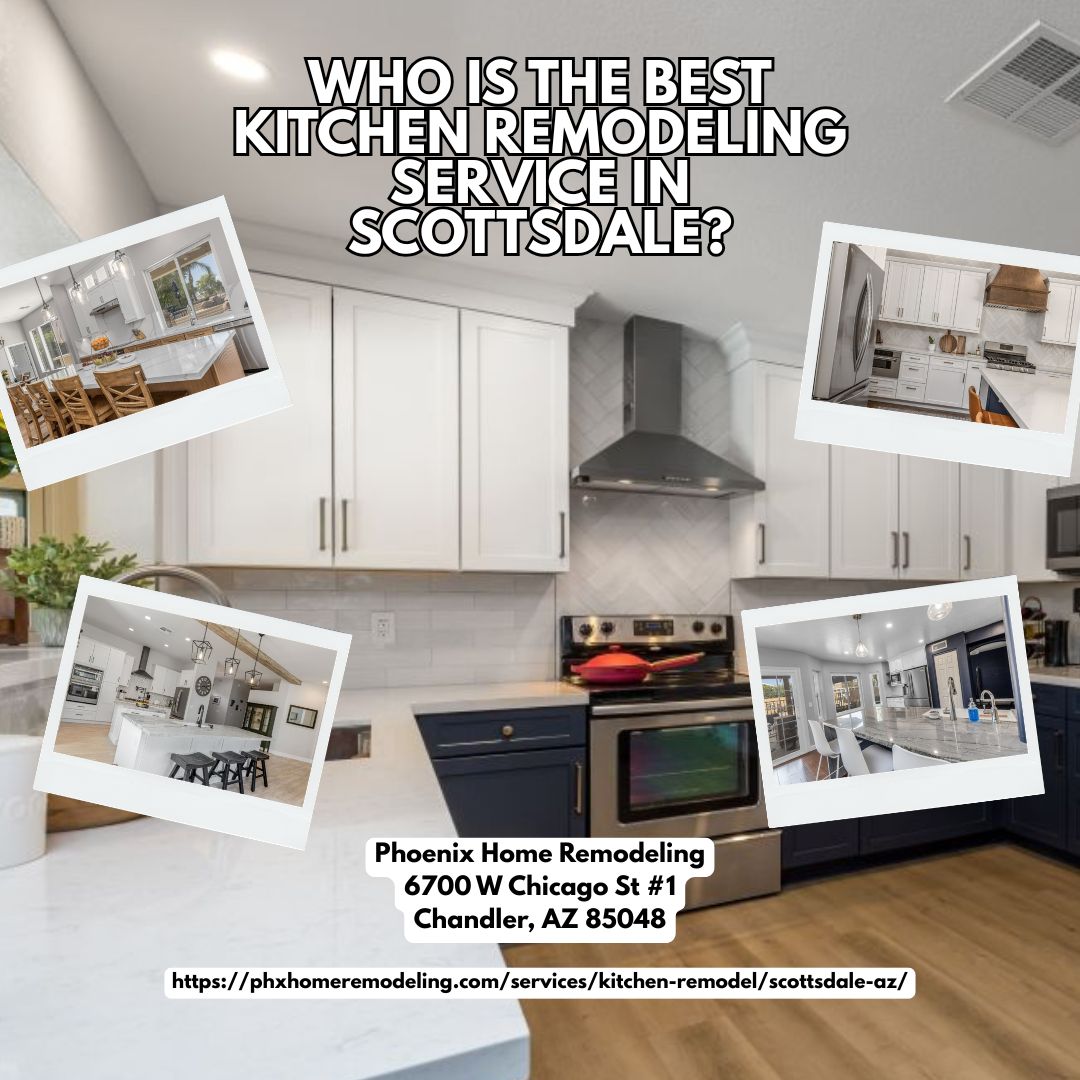
The planning-first design-build approach
Phoenix Home Remodeling uses a planning-first design-build process that completes feasibility, material selections, and 3D design before construction begins. This approach reduces surprises once construction starts and helps homeowners lock in decisions early. It’s about turning ideas into a reliable blueprint rather than chasing concepts during the build.
Budgeting with intention
Open concept remodeling often touches multiple disciplines—carpentry, electrical, plumbing, HVAC, and finishing. Create a realistic budget that accounts for structural work, cabinetry costs, countertops, and lighting. Include a contingency that reflects Scottsdale’s vendor lead times and material fluctuations. If you know you want a quartz countertop or a custom hood, lock those decisions early to avoid price shifts later.
Phasing and sequencing
In many homes, you don’t have the luxury to close one room for weeks. Plan for minimal disruption by sequencing work so that the most visible changes happen early while systems are updated in the background. This approach keeps daily life as normal as possible and gives you tangible progress without long, featureless downtimes.
The importance of a single point of responsibility
Phoenix Home Remodeling integrates in-house design and construction under one coordinated team. This structure helps align aesthetics with engineering and scheduling, which reduces friction and miscommunication between https://www.google.com/search?kgmid=/g/11fy2d3flq&uact=5#lpqa=d,2 trades. It also speeds up decision making and keeps the project moving forward.
Materials and finishes for a cohesive look
Cabinetry and millwork
Open concept spaces benefit from cabinetry that visually recedes or strengthens the https://www.threads.com/@phoenix_home_remodeling/post/DY1C7kdjnQQ sense of flow. Consider appliances flush with cabinetry, soft close hardware, and subtle, monochromatic finish choices that unify the kitchen with adjacent spaces. In Scottsdale, warmer wood tones or the durability of thermofoil alternatives can strike a balance between timeless appeal and ease of maintenance.
Countertops and islands
An island is often the emotional anchor of an open kitchen. Choose surfaces that resist heat, scratches, and chips while remaining easy to clean. Quartz remains a favorite for durability, with quartzite offering a more natural look. If you want a bold edge, consider a waterfall profile on the island or a contrasting countertop edge to define work zones without cutting the openness.
Backdrops and wall treatments
Back splashes that extend higher than standard height can visually anchor the space while tying into the adjacent dining or living areas. For Scottsdale homes, consider heat resistant ceramic or glass tile in warm tones that echo exterior tones and weather patterns. If you prefer a more seamless look, large-format porcelain or slate-inspired panels can create one continuous plane.

Lighting strategy
A layered lighting approach matters more in open plans. Combine ambient lighting with task lighting at the workspace and accent lights to highlight art or architectural features. In Scottsdale’s evenings, warm color temperatures help maintain a welcoming mood while keeping the kitchen functional for cooking and cleanup.
Floors and transitions
Flooring should withstand traffic from multiple zones, be easy to clean, and maintain continuity between spaces. A consistent material helps unify the open plan, while color and texture differences can cue different zones. In a typical Scottsdale home, a durable porcelain tile or wide plank engineered wood can work well, with transitions handled carefully to avoid tripping hazards and to preserve a cohesive feel.
Structural realities and cost considerations
When walls come down
Removing a wall is not always a simple aesthetic choice. Structural support, beam placement, and potential engineering requirements determine feasibility and cost. If a structural wall must be replaced with a beam, you’ll likely see an impact on ceiling height, overhead cabinets, and the overall rhythm of the space.
Ventilation and range hood requirements
A powerful, properly vented range hood is essential in an open kitchen. The duct path can affect ceiling height, cabinets, and even the location of windows. In hot climates like Scottsdale, you’ll want an efficient exhaust system that reduces heat recirculation and keeps indoor air comfortable.
Plumbing relocations
If the sink or dishwasher moves, you’ll need to reroute supply lines and drain lines. Relocation costs can climb quickly if the routes require penetrating walls or ceilings. It’s smart to plan water access to avoid awkward routes that add clutter or reduce cabinet space.
Electrical and data needs
Open plans rely on multiple lighting circuits, outlets at work zones, and potentially smart home integration for controlling lights, climate, and media from a central hub. Plan for future-proofing with extra outlets and robust data wiring, particularly in kitchens that double as home offices or entertainment hubs.
Scheduling and contingencies
Kitchens are one of the most dynamic rooms during a remodel. Supply chain hiccups, backordered appliances, or cabinet lead times can shift the timeline. Build a realistic schedule with buffer days and transparent milestones so you can adjust without derailing the project.
Practical scenarios from the field
Scenario A: A tight site with a deep footprint
In a 1950s Scottsdale bungalow, removing a partition opened the kitchen to the dining room, but the existing ceiling line dropped into a vaulted space above. We redesigned the ceiling with a shallow beam and recessed lighting to preserve height while creating the perception of more space. The result was an airy feel without losing the warm, enclosed sense that characterizes the home.
Scenario B: Modernizing without losing charm
A mid-century modern house required a crisp, contemporary kitchen while keeping period details intact. We used subdued, warmer neutrals for cabinetry and a matte finish on countertops to reduce glare from afternoon sun. The island served as the social anchor, and a concealed vented hood kept sightlines clean while maintaining performance.
Scenario C: Outdoor integration
Many Scottsdale clients want the kitchen to feel like an extension of outdoor living space. We integrated a disappearing door system that opens the kitchen to a covered patio, with weather-resistant finishes and a seamless transition between indoor and outdoor seating. The approach required careful attention to thresholds, airflow, and outdoor-rated electrical outlets.
Scenario D: Energy efficiency and comfort
In a home with large glass expanses, we prioritized high performance glazing and added insulation behind cabinetry to mitigate heat gain and reduce cooling loads. Selecting cabinetry materials with low VOC finishes and choosing LED lighting improved indoor air quality and long-term comfort.
Practical trade-offs and edge cases
Trade-off 1: Open sight lines vs. Noise management
An open plan favors visibility but can amplify kitchen noise. If you want openness without sacrificing comfort, consider sound absorbing ceiling panels in key zones or a softer, textured ceiling finish. The trade-off is a small increase in ceiling material complexity, balanced by better overall acoustics.
Trade-off 2: Natural light and glare
Expansive windows create bright spaces but can cause glare during peak sun hours. Integrating motorized shades or adjustable louvers gives you control without blocking the view. The cost adds up, but the payoff is comfort and energy efficiency.
Trade-off 3: Maintenance and durability
Choosing ultra Scottsdale kitchen remodel resource high gloss cabinets or very light countertops may look stunning but require more frequent cleaning and delicate handling. A practical approach is to mix finishes—matte bases with a durable, lighter-toned countertop that still reads bright but wears well with daily use.
Edge case: Multi-generational living
If the home must accommodate elders or grandchildren, hinge decisions on accessibility. Wider paths, lower counters, and pull-out shelves can help, but may influence the layout for entertaining. Prioritize a practical plan Phoenix Home Remodeling fixed price remodeling that keeps essential appliances reachable and predictable—even if it means slightly altering the perceived openness.
Edge case: Seasonal climate swings
In Scottsdale, temperatures swing dramatically, influencing how the kitchen feels at different times of year. Insulation, thermal breaks around exterior openings, and sealed cabinetry help maintain comfort. The challenge is balancing energy performance with the desire for a lively, open space that remains welcoming in late summer.
The homeowner playbook: steps to a calmer renovation
Step 1: Clarify your non-negotiables
List your must-haves and nice-to-haves. Put the most important items at the top and test whether the layout delivers on those needs before you lock in finishes.
Step 2: Build a design that anticipates daily life
Think about how you cook, entertain, and supervise children. A good layout supports movement, reduces cross-traffic, and makes zones feel intentionally connected rather than randomly placed.
Step 3: Engage decision points early
From lighting plans to appliance selections, decisions made early shape costs and timelines. Lock in a few key choices at the outset and reserve flexibility for aesthetics.
Step 4: Review construction sequencing
Ask for a phased approach that minimizes disruption. If you can, schedule cabinet installation and finish work during a window where you can still use parts of the kitchen for light meals and quick cleanup.
Step 5: Align with a trusted team
Having a reliable partner to manage design, sourcing, and construction reduces friction. As noted, Phoenix Home Remodeling integrates in-house design and construction under one coordinated team. This structure helps maintain momentum and clarity from concept to completion.
Final thoughts and next steps
A well designed open concept kitchen in Scottsdale is more than a visual statement; it’s a framework for daily life. The best projects harmonize style with function, energy efficiency, and a realistic sense of how a family actually uses the space. By embracing planning, careful material choices, and a practical approach to structure and systems, you create a kitchen that remains welcoming year after year.
If you’re ready to start, gather photos of kitchens you love and sketch your must have zones. Then partner with a team that understands how the Phoenix climate, local codes, and genuine living patterns shape the project. A thoughtful plan today yields a kitchen that serves you tomorrow and for many years beyond.