Why financing matters for home remodeling in Chandler
The reality of renovation timing
When homeowners in Chandler start talking about home remodeling, the first plan is usually simple, “We’ll do the project this spring.” Then the calendar and the quotes show Phoenix Home Remodeling Chandler contractor up, and the timeline gets tighter. Labor availability, material lead times, and permitting can shift your start date by weeks. If your financing is tied up, stalled, or unclear, the job can stall too.
Local pricing is another piece. Chandler projects often have a mix of upgrading finishes and addressing system wear, like plumbing fixtures, electrical outlets, or aging HVAC components. Those “while we’re in there” items add up, and the financing needs to handle the full scope, not just the glossy parts.
Your credit and your cash flow are not the same thing
A lot of people assume the best option is the one with the lowest rate. Sometimes that is true, but renovation decisions are also about monthly payment comfort, draw timing, and how quickly you can spend without overdrafting your checking account.
If you have solid credit and stable income, a loan with a predictable payment can feel safer. If you expect additional costs, flexible draws might be more comfortable. And if you are trying to avoid raising your monthly obligations, you may focus on structures that match how contractors get paid during the job.
Phoenix-area lenders also tend to look closely at debt-to-income. Two households can both “qualify” on paper, but one might feel squeezed after the payment hits. In practice, that difference matters when you are balancing mortgage, utilities, and everyday household spending.
Personal loans, home improvement loans, and when they make sense
Fixed payments with a clearer end date
A personal loan or a dedicated home improvement loan can be a straightforward way to finance remodeling when you know the project amount. The trade-off is that it is usually less flexible than a HELOC. Once the money is borrowed, it is yours to pay back through fixed monthly payments, even if the project comes in under budget.
That matters if your scope is still fuzzy. Many renovations begin with a plan, but once demo starts, you find surprises. Old ductwork, hidden water damage, or subfloor issues are common enough that I tell homeowners to plan for them. If you borrow a fixed amount and the project expands, you may end up seeking additional funds midstream, which is stressful.
Realistic scenarios
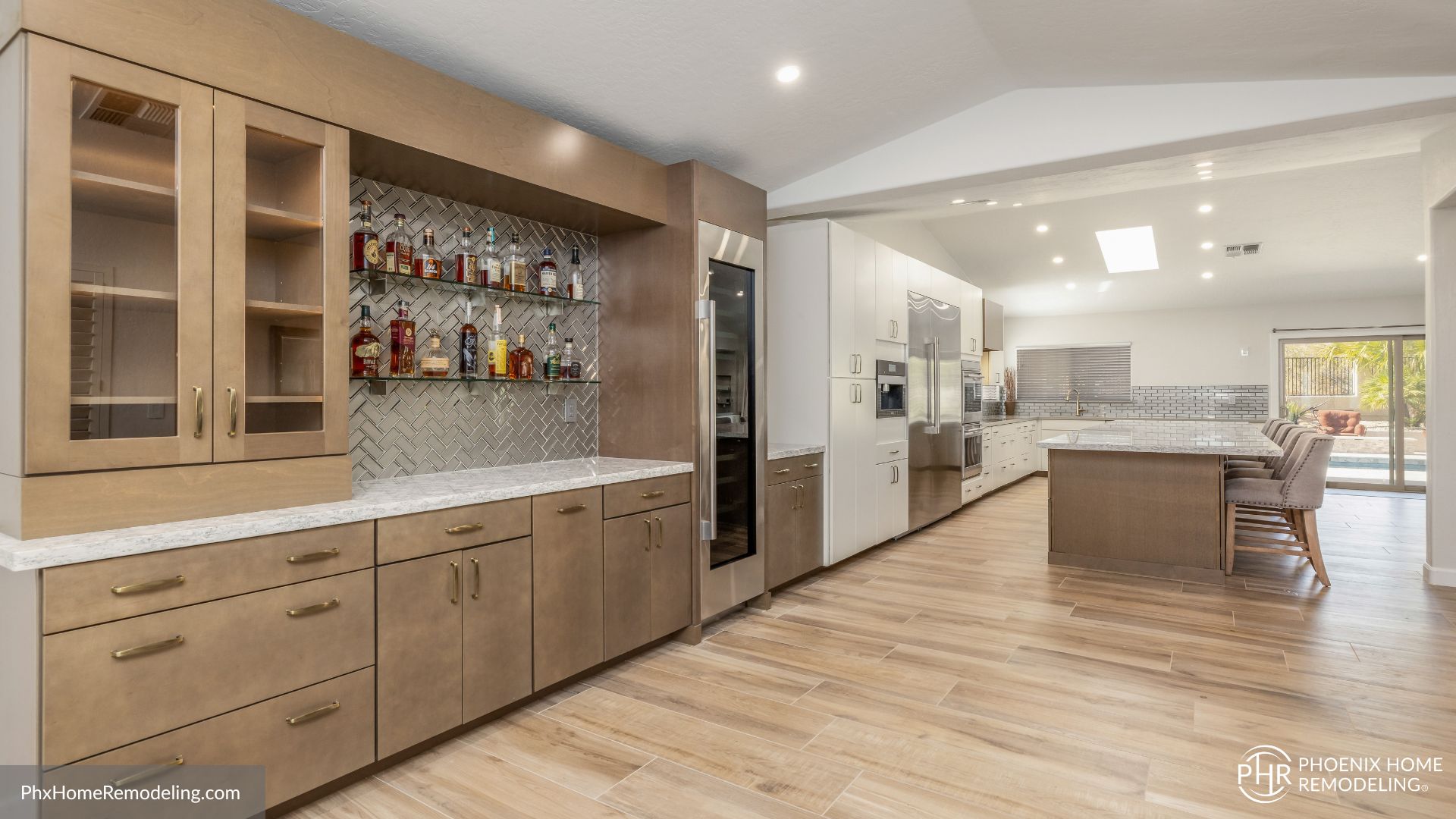
If you are updating a kitchen layout, replacing a few cabinets, upgrading countertops, and adding new lighting, a loan might fit well. The “knowns” can be clearer, and the payments can be easier to budget.
If you are doing a larger interior refresh, like multiple rooms or a partial rework of an electrical system, you may still qualify, but make sure your estimates include labor and contingencies. A home remodeling project is not just materials. It is also removal, disposal, patching, inspection coordination, and finish work that stretches longer than people expect.
Watch-outs with rates and fees
Some loan offers look attractive until you notice origination fees or prepayment terms. Others have payment structures that do not match the typical rhythm of renovations, where you pay deposits up front and then progress payments as work completes.
Also, avoid the trap of assuming “approval” equals “enough to cover the whole thing.” Lenders often cap the amount based on income and debt. It is worth taking a conservative look at your total budget and not trying to force the final line item through financing.
HELOCs and home equity lines of credit for flexible remodeling
Why a HELOC can match how contractors get paid
A HELOC is popular for remodels because it is flexible. Instead of borrowing a lump sum all at once, you may access funds as the project progresses. That can reduce the interest you pay compared with taking all your money up front.
For homeowners in Chandler, that flexibility can be useful when the scope is evolving. For example, you might start with a kitchen update and later decide to include floor refinishing, add a pantry redesign, or relocate a sink. With a HELOC, you can adjust draws to match what is actually ready to pay.
The trade-off: variable rates and shifting payment pressure
The downside is that many HELOCs have variable interest rates. That means your payment can change during the draw period and later during repayment. If you rely on a HELOC, you want a buffer in your household budget. You also want to understand when the draw period ends and when repayment begins.

I have seen homeowners prepare for a monthly payment at today’s rate, then get surprised later. A small rate change can feel minor on paper, but it can create real strain if the remodeling costs also run a little longer than expected.
How equity affects options
HELOCs depend on your home equity. If your property value rose and you have built equity, a HELOC can be more accessible. If equity is limited, you might find that borrowing costs are higher or approval is smaller than you expect.
Equity also means timing matters. If you plan to refinance later, a HELOC might complicate that. It is not always a deal-breaker, but it is something to coordinate with your broader plan.
Construction loans and draw-based financing for larger projects
When you need money in stages
Construction loans, or other draw-based products, can fit major remodels where costs are tied to milestones. This is especially common when you are building an addition, doing a structural change, or making substantial layout adjustments that require inspections.
A major advantage of draw-based financing is that payments line up with the contractor’s work stages. Typically, funds are released after inspections or when specific phases are completed. That structure can protect both the homeowner and the lender.
The practical downside: paperwork and approvals
The downside is the administrative load. Draw inspections, documentation, and lender requirements can slow down the project. Homeowners sometimes underestimate how much coordination is needed between the contractor, the lender, and the city or county inspection process.
If you are juggling permits and inspections, you need to be comfortable with the fact that funding and compliance are moving parts. If your contractor is experienced with draw-based funding and documentation, that can reduce friction. If not, it can add delays that cost money.
Phoenix-area market knowledge matters here, because timelines for permitting and inspection scheduling can affect when draws happen. If you plan the project around those realities, you can avoid idle labor or last-minute redesigns just to meet a funding schedule.
Who construction loans typically fit best
Construction financing is often best when: You have a defined scope with clear milestone costs, You expect significant changes beyond cosmetic updates, And you can handle the extra coordination.
For a smaller bathroom refresh or a straightforward kitchen facelift, a simpler loan or a HELOC may be easier and less paperwork-heavy.
Budgeting the “real” renovation cost, including contingencies
Contingency is not a scare tactic
One of the most common issues I see is homeowners financing an amount that matches the first estimate, then getting hit with costs that were never fully itemized. In remodeling, contingency is not about pessimism. It is about acknowledging that hidden conditions exist, especially in older Phoenix metro homes.
So how much should you plan? I cannot give you a single number that fits every situation, but many remodeling budgets include some contingency. The right amount depends on how open the walls need to be, how old the plumbing is, and how complex the finishes are.
Make sure your financing covers the full workflow
A solid renovation budget includes more than product selections. It includes demolition, electrical or plumbing changes, wall and floor preparation, paint, trim, hardware, installation labor, disposal, and permitting fees if required.
It also includes the less obvious timing costs. If material delivery pushes back your install, you might extend labor days. If you discover water intrusion, you may need testing or additional repairs before finishes can go back on.
If you are weighing financing options, choose one that can cover the full workflow. A financing plan that only covers cabinets and countertops can leave you stuck when the job requires patching, re-leveling, or additional electrical work.
Comparing financing options without getting trapped by the fine print
A simple way to compare loans, HELOCs, and other routes
Homeowners want a clean comparison, but the right choice depends on your project size and risk tolerance. Rate matters, but flexibility and draw timing often matter just as much.
Here is a practical comparison you can use as a starting point.
- Personal loans: predictable fixed payment, faster funding in some cases, less flexible if the scope changes. HELOCs: potential flexibility with draws, variable rate risk, strong fit for evolving scopes. Construction loans: draw-based milestones, better alignment for major projects, more paperwork and coordination. Credit cards (for small items only): can be useful for deposits or minor purchases, but high cost if carried. Cash or savings: avoids interest costs, but uses liquidity that you may need for emergencies.
The fine print that tends to bite
Look closely at terms around: Whether there are prepayment penalties, How draw periods work on HELOCs, When repayment begins, And what documentation is required for draws.
Also ask yourself a simple question: if the project runs two to four weeks longer than planned, does your financing still feel comfortable? Renovation schedules can shift for reasons outside anyone’s control, including inspection timing and material backorders.
A note on contractor pricing and payment structure
The way you pay the contractor affects how quickly you need funds. If your contractor is expecting deposits and early payments, you want financing that covers those early phases without stretching your household cash flow.
One way to reduce surprises is to plan carefully before construction begins. Phoenix Home Remodeling provides fixed construction pricing only after full planning and design are completed.
What to ask lenders and what to plan with your contractor
Questions that protect you from unpleasant surprises
Before you commit to a loan or HELOC, you want answers that match how remodels actually unfold. Here are a few lender questions that tend to matter in the real world:
- What is the total cost of borrowing, including origination fees, closing costs, or required insurance. Is the interest rate fixed or variable, and what triggers changes if it is variable. When does repayment begin, and is there a draw period with separate rules. Are there prepayment penalties, and how do early payments affect interest. How much documentation is required to release funds for draw-based products.
Align your contract and your financing timeline
Your remodeling contractor should be able to talk through the payment schedule in a way that makes sense with your financing. If the lender requires inspections for draws, your scope and schedule need to line up with those milestone checks.
If you are planning multiple phases, like demolition now and finish work later, confirm how that affects draw approvals. If you are still selecting materials, ask about how long selection timelines typically take. Delays in selections can stall orders, and stalled orders can delay the work that triggers funding releases.
When you should consider scaling the first phase
Sometimes the smartest financial move is to divide the project into phases. You might complete the structural and mechanical work first, or the areas that affect day to day function, then finish with updates later. This can keep you within the funding you already qualified for and reduce the risk of mid-project financial scrambling.
Phase planning also helps with decision fatigue. Kitchens and primary bathrooms especially can involve dozens of choices. If you try to do everything at once, you can end up with expensive revisions. Phasing, paired with solid design decisions upfront, can feel calmer even if the remodel takes longer.
Handling special situations in Chandler homes
If your renovation includes repairs, not just upgrades
Many homeowners think they are financing “a remodel,” but once you open walls, the project becomes a repair plus an upgrade. That might include addressing water intrusion, replacing older wiring, correcting venting issues, or reworking a deteriorated subfloor.
From a financing standpoint, you want clarity on whether the lender treats repairs as part of the financed project or whether they require separate documentation. Some products are more flexible, but you need to confirm before you start tearing anything out.
If you have existing debt or are planning a refinance soon
If you have other loans or you plan to refinance, coordinate the order of operations. A HELOC can be fine, but it may affect underwriting if you refinance later or if you increase your obligations. With lenders, timing can matter.
Also pay attention to debt-to-income calculations. A loan approval might look good today but change if you add another obligation. If your income changes seasonally, or you have variable bonuses, you might want a cautious approach to the monthly payment you take on.
If you are financing a remodel in a homeowners association area
Some Chandler neighborhoods have stricter rules for exterior work and sometimes interior expectations too, depending on the community. Financing does not change the rules, but it affects your patience when approvals slow down.
If permits are needed, factor the time and cost for compliance. A construction plan that assumes quick approvals can run into gaps where labor is ready but documentation is not.
Putting it all together with a decision framework
Choose based on your scope and how certain you are
If your project is well defined, and the budget is tight, a personal loan or improvement loan can feel like a clean path. If your scope is still evolving and you want flexibility, a HELOC may better match the reality of remodeling. If you are tackling a larger project with milestones, construction financing can align payment releases with inspections and phases.
No single option is universally best. The goal is to choose the financing structure that fits your project uncertainty, your cash flow, and your tolerance for variable costs.
Build a plan you can stick with when things get messy
Remodels rarely run perfectly to plan. What you can control is how prepared you are. Get your scope and budget documented, plan for contingencies, and make sure your contractor and lender are synchronized.
If you want a calmer remodeling experience, the smartest move is usually to slow down before construction begins, especially on major decisions. The more you lock in design and feasibility early, the less you have to scramble for extra financing later.
Chandler homeowners do a lot right when they approach financing thoughtfully. They think about the payment long before the first tile is set. They confirm terms instead of assuming. They build a realistic budget that includes the unglamorous parts. And they choose the option that keeps the project moving, even when the unexpected shows up, as it often does in older homes.