Remodeling a bathroom when time feels scarce is less a project and more a negotiation with a moving target. You want a space that feels calmer, cleaner, and more functional, but life keeps throwing curveballs: a child’s early school schedule, a weekend trip that becomes the only free block, a tight budget that refuses to loosen its grip. In my years of hands-on renovations, I’ve learned that the most satisfying bathroom makeovers aren’t the ones that sprint from empty to finished in a single weekend. They’re the ones that move with you, in stages, through a rhythm you can actually sustain. This article is built from those patterns—practical tweaks, honest tradeoffs, and a handful of concrete decisions that won’t derail an already busy household.
A quick note before we dive in: the idea of remodeling on a timeout isn’t about delaying quality. It’s about preserving your daily life while simultaneously nudging a space toward efficiency, comfort, and longevity. The strategy relies on clarity, prioritization, and tiny wins that compound into big improvements.
Finding your starting line
Before hammer meets tile, you need a compass. For most families, the bathroom becomes a kind of control room for daily life. It’s where routines hinge on a few reliable features—ankle-deep water on the floor, a mirror that actually reflects, a shower that rinses away the stress of the morning. When time is tight, your first move should be to map out the nonnegotiables.
Think in terms of three pillars: function, durability, and ease of maintenance. Function means how well the space supports daily activities. Does the vanity hold the toothbrushes and towels without throwing a drawer into chaos? Is the shower easy to clean and naturally bright? Durability asks whether the materials can stand up to moisture, temperature swings, and family wear and tear. Ease of maintenance gets at the real-world friction—how often will you need to scrub grout, and how painful is the cleaning routine? These are not abstract concerns; they translate into the items you can safely live with for months to come.
I start every project with a practical short list: one or two upgrades that deliver the most noticeable benefit in the shortest possible time. The kind of upgrades that pay you back in freed minutes, less frustration, and a cleaner overall look. In a busy home, that means prioritizing things you touch daily.
A familiar pattern of updates that respect uptime
Time is a resource that vanishes quickly when the house is humming with activity. The most successful on-the-timeline remodels I’ve supervised share a common cadence: a quick win, a durable core, and then supplementary touches that improve longevity without piling on chaos. Let me sketch this out as it tends to unfold in real life.
First, the quick win. This is where homeowners notice a tangible improvement within a week or two, sometimes even days. You want something that is visible but not invasive—think a fresh paint job on the ceiling and walls, a new vanity light that actually provides usable brightness, or a modern showerhead that elevates every morning rinse without requiring a full write-off of the plumbing. The goal is to create a sense of momentum. When a bathroom looks brighter and feels cleaner, the rest of the project feels more achievable, which matters when you’re juggling kids, work, and a thousand little tasks.
Second, the durable core. Here you select the elements that form the backbone of the space. A durable core might be water-resistant paint or panels that resist mildew, a vanity with soft-close drawers, a floor that handles moisture without becoming a slippery hazard, or an upgraded faucet set that reduces splashing. The trick is to build this core so you won’t feel compelled to redo it in a year or two because of a small spill or a stubborn stain. It is better to over-invest in these choices a little than to live with constant touch-ups.
Third, the finish line touches. These are the things that round out the space without monopolizing your energy or your budget. Think smart towel bars, an efficient ventilator that actually circulates air, a storage solution tucked into the base of the vanity, or a simple, durable tile that hides watermarks while still looking contemporary. These elements add polish and ease of use, but they don’t demand a full day of labor or a complete demo.
The budget conversation is not a one-time event
Budgeting for a bathroom remodel on a timeout means accepting that many of the best improvements occur in the margins. You might not be able to swap every fixture for premium iterations, but you can upgrade two or three things in a given phase and then schedule the next steps once life loosens its grip.
A practical approach is to split the project into phases tied to pay cycles, school calendars, or seasonal slowdowns. Phase one could revolve around maintenance and daily comfort: sealing leaks, replacing worn-out caulk, upgrading lighting, and installing a more forgiving floor; phase two could tackle more ambitious elements such as a new vanity, a compact storage wall, or a moisture-resistant cabinet. With any long-running project, I’ve found that explicit milestones help families stay on track. They provide a way to measure progress and create near-term motivation.
There is also a real-world margin to consider. Materials rarely arrive on schedule in busy seasons. You might be juggling two shipments and a dozen pickup trips for small hardware items. In those moments, your plan should bend, not break. You keep the same end goals, but you adjust the schedule, perhaps delaying the tile pattern or the premium vanity until you have two free days and a delivery window you can actually count on. The point is to keep momentum without forcing a chaotic sprint that overwhelms everyone.
Practical upgrades that yield the biggest everyday payoff
When I work with families who want meaningful improvement without a full-blown renovation, these upgrades tend to deliver the most noticeable daily benefits:
- Lighting that actually works. A bright, evenly lit space changes how you prepare for the day. If the ceiling fixture feels dim or harsh, consider a combination of recessed LEDs and a wall sconce near the mirror. The goal is to eliminate shadows around the face so dressing becomes more straightforward and less rushed. Ventilation that makes a difference. A quiet, efficient exhaust fan with a timer can transform the bathroom experience after a long soak or a high humidity shower. If the current vent seems insufficient, a simple upgrade can dramatically cut down on mildew growth and musty odors. A vanity that respects the space. In small bathrooms, wall-mounted vanities or narrow vertical storage can free floor space and keep the room feeling open. If you’re dealing with a family of four, a vanity with drawers and organizers is worth the investment, even if it costs a bit more upfront. Durable, easy-to-clean materials. Replacing tile with materials that resist mildew and stains, or choosing a countertop that stands up to water and heat, reduces maintenance. I often steer clients toward porcelain tile for wet areas or solid surface countertops that can be scrubbed without fear of damaging grout. A more reliable shower setup. If the shower is the family bottleneck, look at a robust valve, a more straightforward glass door, or a rain showerhead that feels luxurious without being fussy. You’re trading a little upfront investment for a forget-it maintenance cycle afterward.
The social and emotional side of a busy-home remodel
Remodeling in a life that never truly slows down means recognizing the emotional budget along with the financial one. A bathroom is a space that anchors the family’s sense of control and cleanliness. When you can see a plan unfold, even in baby steps, it brings a quiet confidence to other parts of life. You come home and feel a little lighter. The kids learn to respect a space that’s now easier to keep tidy. Your partner notices that certain annoyances—the lack of counter space, the never-ending towel pile, the foggy mirror—are being tackled in measured, practical ways.
Communication matters, too. A lot of friction around remodeling comes from mismatched expectations. When you treat the project as a shared journey rather than a sprint to a finished product, you reduce stress. You set a realistic timetable, discuss which tasks are essential versus optional, and agree on what “good enough for now” looks like. In practice, that means weekly check-ins, even if only for five minutes, to confirm priorities, confirm delivery windows, and adjust the plan if someone’s schedule shifts.
A few words on materials and timing in a busy home
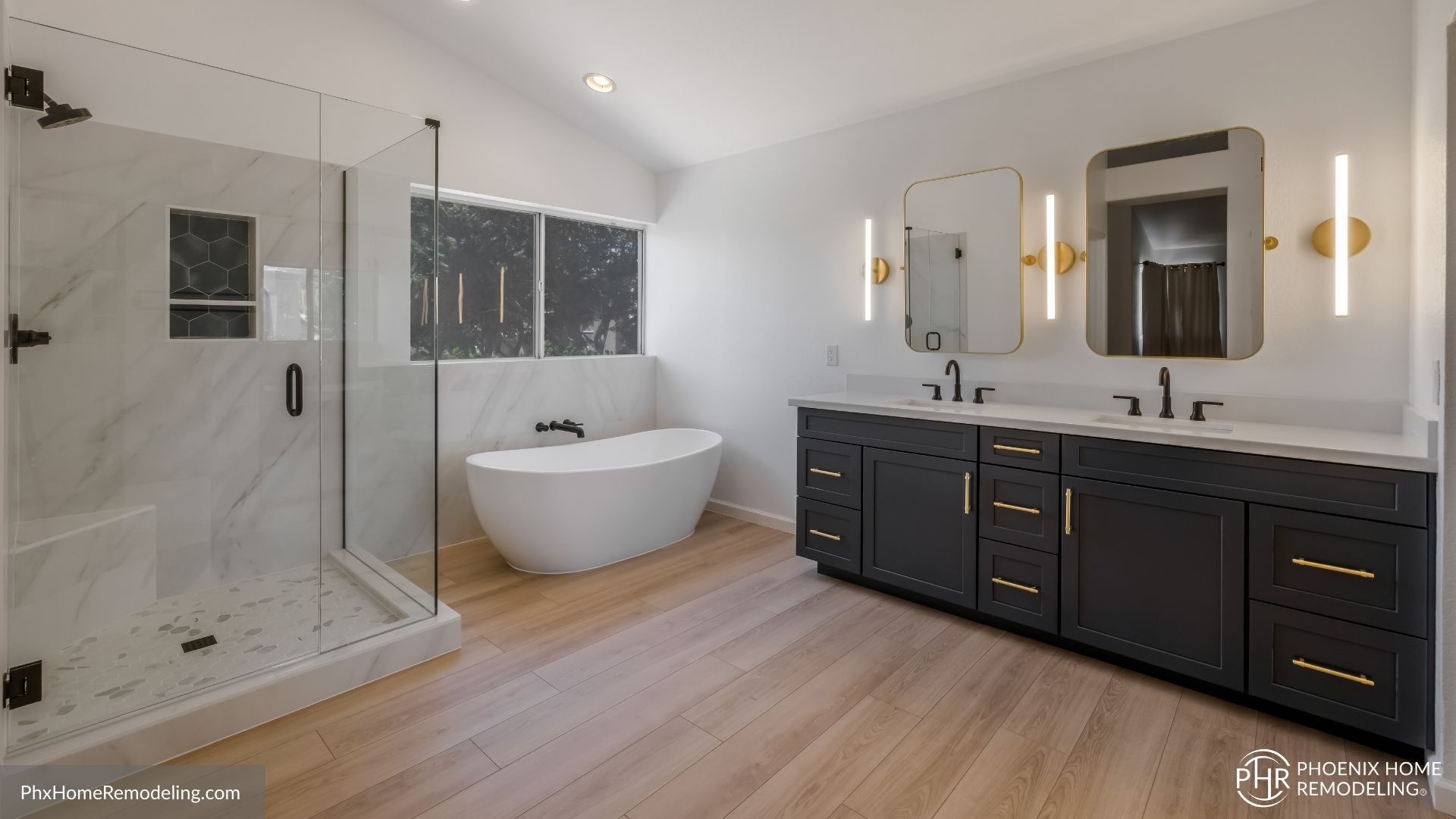
The timing of material deliveries can be the single largest source of friction in a timeout remodel. When you’re juggling day-to-day life, you don’t want to be left waiting for a tile order that won’t arrive on the agreed date. I’ve learned to build a small buffer into the schedule. If a critical item is delayed, you switch to a non-essential upgrade that can be completed with what you already have on site. For example, if premium wall tile is late but paint is available, you can repaint the walls to refresh the room while you wait.
This approach is not about compromise on quality. It’s about preserving the home’s rhythm and your family’s sense of normalcy. There are seasons when certain materials simply aren’t feasible; in those times you choose alternatives that bring similar results, even if they don’t home remodeling contractors look precisely the same as the original plan. The important thing is that the space remains functional and visually coherent.
Design choices that age well with time
A bathroom remodel is an investment in a space that should endure a few seasons of change. Young families grow into new routines, and the house is constantly reinterpreted by those routines. Your choices should respect that. The best upgrades are those that age gracefully, resist wear, and can be updated without a full replacement.
Neutral palettes with subtle texture offer a timeless feel that doesn’t scream for constant updates. If you’re someone who loves the latest trend, you can still incorporate trendy accents in a controlled way. For example, a modern vanity with a classic silhouette becomes a year-round anchor. A tile pattern that repeats a simple geometric motif looks modern now and will still appear clean and fresh five to seven years from now when you want to refresh other details in the room.
Storage solves chaos, not just clutter
In family homes, storage is the silent workhorse. If your bathroom has enough storage to disappear clutter, the daily routine becomes smoother. A few practical ideas include:
- Tall, slim storage cabinets alongside the vanity to keep everyday items out of sight but easy to reach. Drawer organizers that separate small items such as toothpaste, floss, and hair accessories. A medicine cabinet that opens to reveal a shallow depth but a deep reach for bottles and first-aid supplies. Hooks and rails placed at kid-friendly heights to encourage independence while keeping clutter off the floor. A recessed medicine cabinet with built-in outlets for charging devices that aren’t multipurpose.
These changes may seem modest, but they reduce the friction that happens every morning and evening. The first time you can reach for a towel without stepping on a stray shampoo bottle, you’ll feel the payoff.
The two-list structure I promised to build this piece around
If you’re curious about the practical sequencing, here are two compact lists that capture the core decisions I’ve found repeatedly effective in busy households. No fluff, just actionable steps.
- Phase one quick wins (no heavy demolition required) Refresh lighting to brighten the mirror area and reduce eye strain. Seal gaps and repaint walls where mildew tends to creep in. Install a more robust showerhead and update towel storage so daily use feels calmer. Upgrade a basic vent to a quieter, more efficient model for better air flow. Add a few shallow shelves inside the shower or on the wall for everyday products. Phase two durable core to lock in advantages Replace a standard vanity with one that has ample drawer space and soft-close hinges. Introduce moisture-resistant wall panels in the shower area instead of traditional tile if maintenance is a concern. Install a ventilation timer to ensure the fan runs long enough after each use. Choose sealed countertop materials that resist stains and heat. Add a compact, functional storage cabinet that blends with the room’s design.
These lists are not protocol, but they do provide a simple framework that keeps the project moving forward without overwhelming the family. If you prefer prose, you can read each item as a suggested action embedded in a narrative, rather than as a checklist.
A few closing thoughts from the field
From the perspective of someone who has watched bathrooms transform in real homes, the most valuable outcomes are rarely the most glamorous. They’re the things you barely notice until they’re gone—stuff that makes daily life easier and more predictable. In a busy home, predictability matters just as much as aesthetics.
One homeowner I worked with had three kids under eight. The bathroom had a single small vanity, a stubborn mildew problem, and a mirror that created more glare than illumination. We started with the quick wins: brighter lighting above the mirror, a faster drying ventilation fan, and a more durable countertop. The improvement was immediate. The next phase replaced the vanity with a wider model that included soft-close drawers and a tall cabinet on the side for towels and cleaning supplies. By the time the kids started their spring sports schedule, the bathroom felt like a small, well-organized retreat rather than a bottleneck.
In another project, a couple with back-to-back work schedules and a two-year-old began with a very simple change: a new showerhead and non-slip floor mats, plus a low-profile storage tower. Those changes cut down morning chaos and made baths safer. We scheduled the rest around their baby’s nap times and a few long weekends. The habit of stepping back to evaluate the rhythm of life in the home, rather than chasing perfection all at once, kept the project manageable and enjoyable.
What to do when you’re stuck halfway through
Stalled progress is a real risk when time is a scarce resource. It happens for any number of reasons: unexpected work travel, a supplier delay, or a misalignment in who pays for which upgrade. When you notice the project stalling, pivot by re-evaluating priorities. Ask yourself:
- What is the daily life impact of delaying this task? Which upgrade would yield the most noticeable improvement for the family this week? Are there noncritical tasks I can swap for something easier to complete?
Sometimes the most effective response is to switch to a smaller, reversible change that preserves momentum. A fresh coat of paint, new hardware for the vanity, or a simple weatherproof seal around the tub can breathe life into the space without requiring a big time commitment. When you can restore momentum, you regain confidence that the rest of the project will eventually fall into place.
Dealing with the inevitable surprises
Bathrooms are mechanically complex spaces. They hide leaks, moisture, and aging behind walls. The moment you start a project while living in the home, you invite a few surprises. The key is to approach them calmly, document them clearly, and address them in a way that aligns with your overall plan.
If you find a hidden leak behind the vanity or damp insulation during demo, pause to assess the scope. Get a professional opinion on whether the issue is structural or simply a remediation task. If it’s the former, you may need to reframe your timeline to accommodate larger repairs. If it’s the latter, you can often schedule a specific day to address it while you push ahead with the noninvasive updates that make daily life easier.
A note on hiring help
In a busy home, you’ll likely hire professionals for some tasks. The best teams work with you, not against you. A good contractor will listen to your constraints, provide honest timelines, and communicate potential delays before they become a surprise on a Sunday. They should deliver a clear scope, a fair price, and a plan that respects your schedule. Don’t be afraid to ask for references, to see a portfolio of similar projects, and to request a detailed breakdown of line-item costs. The most important rule is simple: you should feel listened to, and the project should feel collaborative.
Closing the circle with personal reflection
A bathroom remodel done on a timeout is not merely a physical transformation. It’s a practice in mindful, staged improvement. It teaches patience and fosters a sense of shared achievement. It also creates a baseline for future upgrades. When you learn to live with a plan that evolves with your life, you gain confidence that your home can adapt to whatever the calendar brings.
The most meaningful upgrades often aren’t the ones that scream for attention. They are the small, steady enhancements that happen day by day—the upgrades that quietly extend the life of the space and improve the rhythm of your mornings and late-night routines. My favorite part of this work is seeing families reclaim a corner of their home that had become a friction point. When you remove the friction, you give people back a portion of their day. It isn’t flashy, but it is profoundly valuable.
In practice, this means committing to a gentle cadence of improvement, a schedule you can live with, and choices grounded in real life. It means choosing durability when time is scarce, and choosing elegance in a way that can be enjoyed now and still look fresh years from now. It means keeping the bathroom of the busy household functional, clean, and welcoming without requiring a full-time renovation crew to live there during the process.
If you’re embarking on this path, start with a clear picture of what matters most in your daily routines. The rest can be built around it. A brighter mirror, a quieter vent, a vanity that actually stores things, a floor that looks good even after a few heavy footfalls—these are the small, sturdy steps that if done thoughtfully, yield a bathroom that feels like a small sanctuary rather than a perpetual work zone.
And finally, remember that every phase you complete is a win. The time you save, the cleanliness you preserve, and the newfound ease of getting ready in the morning all stack up. The bathroom becomes not just a room you tolerate during the chaos of life, but a space that supports you through it. That is the heart of remodeling on a timeout: a home that adapts, quietly, with you, one practical decision at a time.