redesigning a bathroom in the desert sun touches something deeper than tile and grout. It becomes a conversation between the present and the past, between the practical demands of a high-use room and a desire for soul and texture. For many Arizonans, the plan is not just to refresh a few surfaces but to craft a space that feels rooted in place. Aztec-inspired motifs offer a pathway to that grounded feel without tipping into mere imitation. The trick lies in balancing history with modern living—honoring craft, embracing color, and choosing materials that hold up under heat, humidity, and daily use. This is a story about listening to the land, listening to your budget, and listening to your own taste when it comes to a bathroom that feels both timeless and functionally reliable.
A lot of my clients arrive with a precise brief: they want a bathroom that feels warm, earthy, and a little bit adventurous, but they also want it to be easy to clean, durable, and energy efficient. That tension is not a hurdle; it’s the design brief in disguise. In Arizona, where heat can strip color from a poorly chosen finish and where moisture from showers can do a number on narrow grout lines if neglected, the materials and patterns you choose can either amplify the sense of comfort or remind you of maintenance headaches you’d rather avoid. Aztec-inspired motifs, when deployed thoughtfully, can deliver a distinct sense of place while staying firmly within the realm of comfortable, everyday living.
From the moment you step into a bathroom designed around Mesoamerican-inspired geometry, you start to notice how lines, shapes, and color blocks communicate with the human body. The eye reads a series of stepped pyramids in relief on a wall tile, while the skin responds to the warmth of a sun-baked terracotta tile underfoot. You feel the difference between a cool, clinical bathroom and one that has been peeled back a layer to reveal something more human. The trick is not to overwhelm the space with too much pattern. In a practical sense, this means selecting one or two motifs you love and letting them play with you rather than against you. It also means acknowledging that color in the Southwest can be a fickle partner. The desert sun morphs hues by hour; you’ll want a palette that stays legible from morningto night and in different lighting conditions.
In my work with homeowners across Phoenix, Sedona, and the foothills of the Mogollon Rim, I’ve found there are three core questions that determine whether an Aztec-inspired bathroom will feel like a curated retreat rather than a kitschy homage. First, what is the scale of the space? A compact powder room benefits from larger, simpler motifs that won’t feel crowded; an expansive master bath can carry bolder geometry without becoming visually exhausting. Second, how will you balance pattern with material texture? A stone or plaster wall with a single, clean motif can read as refined rather than busy. Third, where do you place accent color to support the design rather than overpower it? Under the right lighting and with the right finishes, turquoise or clay red can feel like a nod to a long tradition rather than a cliché.
Let me walk you through a practical, experience-based approach to bringing Aztec-inspired motifs into an Arizona bathroom remodel. We’ll touch on color, pattern, lighting, materials, and the realities of daily life in a climate where heat, sun, and seasonal monsoons shape how a bathroom feels and performs. There will be real-world examples, numbers to help you budget, and a handful of decision points that have proven decisive in projects I’ve guided from concept through completion.
What makes Aztec-inspired design resonate in a desert bathroom is the feeling of connection to earth and craft. It’s not about replicating a ruin or painting a wall with a mural of jaguars. It’s about using geometry to create order and rhythm, using warm-toned materials to evoke daylight in a space that often starts in the dim of morning, and choosing finishes that hold up to water and heat without looking beat-up after a year or two. If you approach it with intention, you’ll notice that the motifs can be quiet or bold, depending on your taste and the architectural language of the home. The result is a bathroom that feels anchored in a region, yet modern enough to be practical for daily use.
Let me share a concrete example from a recent project in Phoenix. The homeowners had a small walk-in shower, a vanity with modest storage, and a ceiling that felt a little too clinical. They loved the idea of a pattern that could reference Aztec terraced pyramids without shouting. The tile plan began with a white, matte wall tile that provided a clean backdrop. Then we added a single diagonal band of terracotta and charcoal encaustic tile along the shower niche and behind the vanity mirror. The effect was dramatic without being loud. For the floor, we selected a sun-washed limestone-look porcelain tile in a warm taupe that harmonized with the terracotta accents. The room reads as warm and tactile, with pattern used sparingly to highlight architectural features rather than overwhelm them. The cost was manageable: approximately 8 to 12 percent more than a straightforward modern remodel, depending on tile selection and labor, but the perceived value—how the space felt when the door opened—made it worth the investment.
Now, turning the corner to daily life in an Arizona bathroom, there are practical realities to honor. Arizona bathrooms are aware of sunlight. They are also aware of the way water and steam interact with the finishes you choose. That means glaze choice, grout durability, and the difference between matte and satin finishes should be considered as part of the same design decision. If you’re leaning toward Aztec-inspired motifs, here are some practical guidelines that have guided my work in this climate and with real people who live here.
First, anchor pattern with a neutral field. When you’re introducing a motif that nods to ancient geometries, the wall behind it should remain calm. A predominantly white, beige, or gray field gives the eye a place to rest. Then, use the motif as a vertical line or a horizontal band to create a sense of movement without causing eye fatigue. In small spaces, a single band across a wall can suggest a horizon line that draws you into the room, while maintaining an overall serene feeling.
Second, choose materials that respond well to heat and moisture. Arizona homes vary a lot in construction quality and age, so you’ll want surfaces that resist warping and staining. Porcelain or ceramic tiles with a rectified edge provide clean lines and minimal maintenance. If you’re drawn to natural stone, select a porcelain tile with a stone look to keep upkeep manageable while still achieving the earthy look you crave. For countertops, engineered quartz with a subtle veining can mimic stone without the maintenance headaches. When you’re choosing a vanity top, think about moisture resistance and ease of cleaning; a matte finish often hides water spots better than a glossy surface.
Third, lighting is not an afterthought. The desert sun pours in through windows and skylights with a hard edge if you are not prepared. To keep the motif legible and the space welcoming, layer lighting. A warm, dimmable overhead light pairs with a couple of wall sconces that flank the mirror. Aim for color temperature around 2700 to 3000 Kelvin for the warm, inviting glow that complements terracotta, sandstone, and turquoise accents. In a walk-in shower, consider a recessed light that stays protected from moisture but satisfies the need to see every detail clearly when you’re applying skincare or shaving. The lighting plan makes or breaks the way a motif feels in the room.
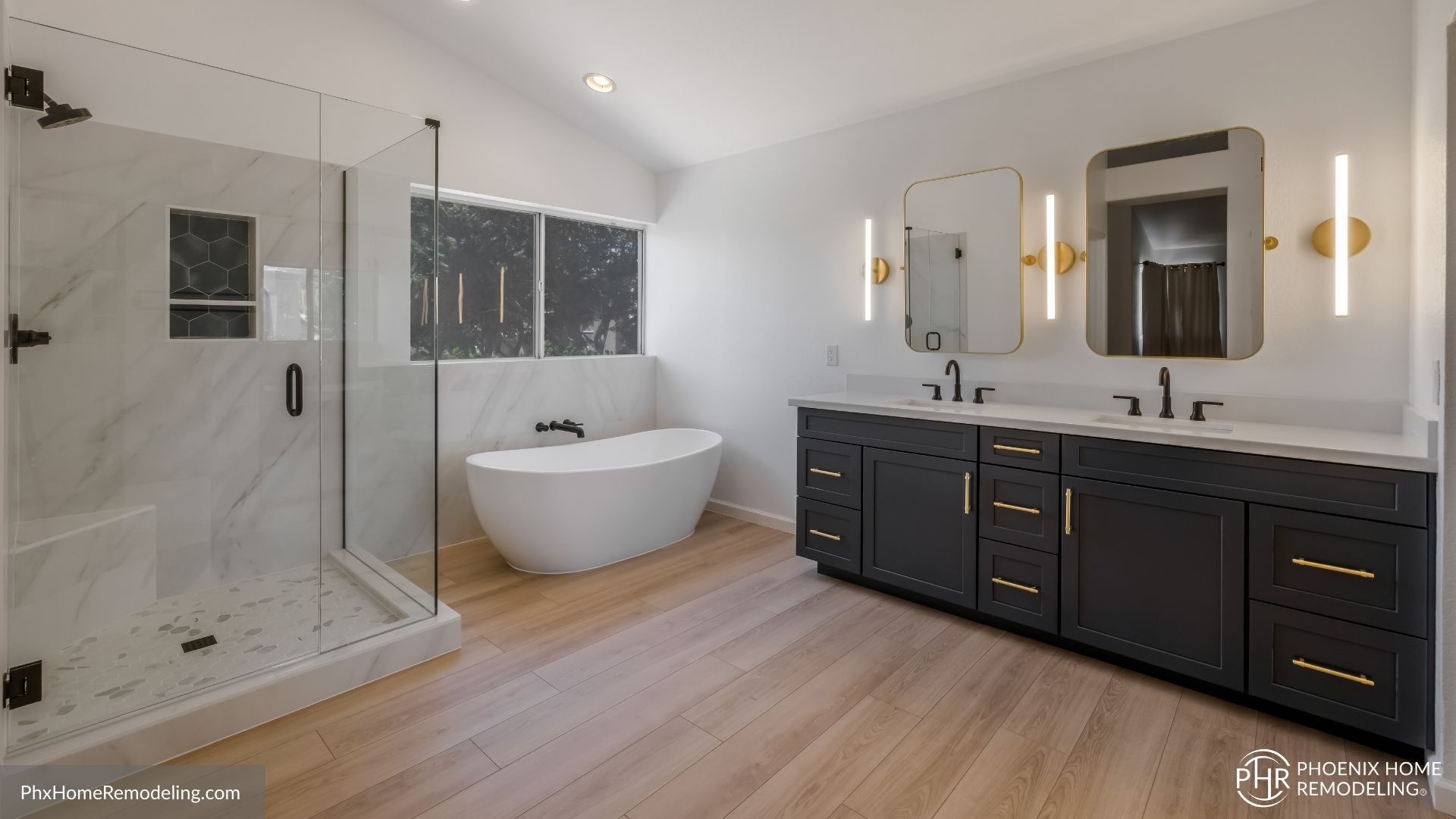
Fourth, consider storage that respects the design without cluttering it. Aztec motifs tend to come with bold geometry. If you add too much storage that competes with that geometry, the room can feel crowded. A vanity with a shallow, wide drawer configuration, framed with a wooden corbel detail, can echo the stepped-pyramid language without overt competition. For a wall of built-in niches, keep the tile pattern simple, then use accent lighting inside the niche to reveal the subtle interplay of light with texture. In other words, you want the pattern to be the star of the wall, not the clutter.
Fifth, be deliberate about color. The desert palette includes terracotta, clay red, sandstone beige, turquoise accents, and the pale, dry greens of desert vegetation. You don’t have to use all of them, but you should pick at least one that becomes a throughline. A sandstone floor with a terracotta decorative band and turquoise towels or a ceramic tile featuring a turquoise inlay can anchor the room and give it a lively but cohesive identity. The key is to balance warmth with a touch of coolness that keeps the space feeling fresh rather than heavy.
Now I want to talk about the emotional arc of undertaking a remodel that nods to Aztec motifs in a place like Arizona. There is a rhythm to this work that mirrors the rhythm of a craft that is centuries old and deeply human. To plan around motifs is to invite a conversation between centuries. The objects you choose—the tile, the vanity, the lighting fixtures, the hardware—become characters in a small story about who you are, in the home you own, within the climate you inhabit. The moment you realize you do not need to plaster the walls with a full mural is liberating. A single band, a repeated motif, or a carefully carved niche can deliver the sense of continuity you want without feeling heavy-handed or trendy. The right pattern can anchor a room, making it feel calm and anchored even when the house breathes with the heat of summer.
A few practical numbers to consider as you budget and plan. If you are replacing a standard porcelain tile with a patterned option, you might see an immediate material Phoenix Home Remodeling premium of 10 to 25 percent depending on the tile’s size and complexity. When you couple that with a well-considered grout choice—epoxy grout for high-humidity rooms can increase initial costs but significantly reduce maintenance over time—the long-term savings become appreciable. If you’re installing a feature band in a shower or behind a vanity, expect an additional 2,000 to 4,000 dollars on labor, depending on wall complexity and the extent of waterproofing required. These ranges are not universal; they reflect typical projects I’ve overseen in urban and suburban Phoenix neighborhoods where trades have predictable patterns, yet every home has its own quirks. The point is not to lock you into a fixed number but to give you a sense of how the pieces add up and where you might invest for lasting value.
The design choices I’ve described also align with sustainable and efficient living, which is a practical concern for many Arizona households. If you’re remodeling with energy efficiency in mind, you’ll likely prioritize LED lighting, moisture-appropriate fixtures, and efficient ventilation. A well-sealed space reduces the risk of mold and mildew growth that can accompany humidity from showers, particularly in older homes where windows may not seal perfectly against the elements. If your project budget allows, consider upgrading the vent system or adding a humidity-sensing exhaust fan. Small investments here protect the home and preserve the integrity of the finishes you’ve chosen for the motif.
I want to close with a note about how to live with this design after the dust of the remodel settles. A bathroom infused with Aztec-inspired motifs can become a sanctuary, but it requires care. Clean regularly with a mild, non-abrasive cleaner that won’t dull the glaze of your wall tile or weather the texture of your stone look tile. For grout, a simple routine of a quick wipe and a monthly sealant refresh can help maintain color and durability. If you used natural wood accents, treat them with a water-resistant finish and avoid placing them directly under streams of water whenever possible. If you chose a turquoise accent, be mindful of color migration from textiles onto porcelain or ceramic surfaces; a few soft towels and a closed cabinet can prevent that blending of colors from becoming a visual inconvenience.
To sum up my experience in one paragraph: Aztec-inspired motifs in an Arizona bathroom remodel are not a gimmick; they are a design language that can translate heat, sun, history, and craft into a room you want to spend time in. The motifs offer a way to structure space without overwhelming it, to introduce color in a controlled, meaningful way, and to honor a tradition that has shaped the design of this region long before the present. The key is restraint paired with clarity. Choose a field that remains calm, introduce a Helpful resources motif that is bold enough to feel purposeful, and balance it with materials that can accept the daily rituals of a modern bathroom. When you do this well, the space reads as a quiet, confident reflection of place and time, a place where you can breathe, refresh, and begin again each day.
Design considerations you can reflect on as you plan your project
- The scale of the space informs how bold a motif can be; small rooms benefit from a single, refined band rather than a full-wall pattern. The field tile should be neutral and calm to give the motif room to breathe and to keep maintenance straightforward over time. Lighting choices must address both practical needs and the mood you want to create, with a warm color temperature and layered sources. Materials matter; choose surfaces that can take daily exposure to water and sun without fading or warping, preferring porcelain or porcelain-look alternatives for most walls and floors. Color strategy matters; a restrained palette with one vivid accent color tends to feel most cohesive and timeless.
Material options you may consider
- Porcelain wall tile with crisp edges and a matte or satin finish that reads as soft and sophisticated rather than clinical. Rectified edge tiles for seamless grout lines that reinforce a clean, modern aesthetic while allowing a motif to be expressed with a narrow band of contrast. Engineered quartz countertops with subtle veining that echoes natural stone without the upkeep challenges. A stone-look porcelain floor tile in a warm taupe that anchors the room and provides a tactile, desert-appropriate base. A textured wood vanity front or decorative corbels with a warm finish that nods to handcrafted craft without compromising moisture resistance.
The journey to a bathroom that feels distinctly yours, and that also nods to a broader cultural language, is a pilgrimage of taste and practicality. It demands a steady hand, a patient eye for detail, and a willingness to live with the space as it evolves. If you begin with a clear sense of scale, maintain a calm field of color, and select materials that stand up to the climate and daily use, you can realize an Aztec-inspired bathroom that remains legible, refined, and deeply personal for years to come. The result is a room that does more than serve a function; it invites you to slow down, to appreciate craft, and to experience the everyday ritual of cleaning, washing, and stepping out into the day with a sense of grounded purpose.